How to Lower Blood Sugar Naturally: Answers for Adults Over 40
Key Takeaways
- ✓ Insulin sensitivity declines naturally after 40 due to muscle loss and hormonal shifts, making blood sugar management a proactive priority for midlife adults.
- ✓ Medications like prednisone, thiazide diuretics, and some statins can raise fasting glucose independent of diet, so reviewing your prescriptions with a doctor or pharmacist matters.
- ✓ Combined aerobic and resistance exercise lowers A1C more effectively than either type alone, and even 10-minute post-meal walks produce measurable glucose reductions.
- ✓ Chromium and green tea extract have the strongest human trial evidence among commonly used blood sugar supplements; other ingredients like raspberry ketones have very limited human data.
- ✓ The NIH-funded Diabetes Prevention Program showed lifestyle intervention reduced prediabetes progression to type 2 diabetes by roughly 58 percent, making early action genuinely effective.
- ✓ Chronic sleep deprivation and elevated cortisol directly raise fasting blood glucose through the HPA axis, making sleep and stress management non-optional parts of any blood sugar plan.
Why Blood Sugar Starts Creeping Up After 40: The Insulin Sensitivity Shift Nobody Warns You About
Blood sugar tends to rise gradually in your 40s and 50s because your body's main tools for clearing glucose out of the bloodstream quietly become less efficient. This is largely a muscle story, and most people never hear it framed that way.
Skeletal muscle is the body's single largest site for glucose disposal, accounting for roughly 70-80% of insulin-stimulated glucose uptake after a meal. The problem is that muscle mass peaks around age 30 and then declines at a rate of 3-8% per decade, a process called sarcopenia. Less muscle means fewer places for glucose to go after you eat.
The mechanism behind this is specific. Insulin signals muscle cells to move GLUT4 transporter proteins to the cell surface, where they pull glucose out of the blood. Sarcopenia reduces the total number of muscle cells available, but aging also impairs GLUT4 translocation itself. NIH-funded research through the National Institute on Aging has documented measurable reductions in muscle glucose uptake rates in adults over 50 even when body weight stays stable. So the scale can look fine while your glucose metabolism is already shifting.
Hormones add another layer. In women, the estrogen decline of perimenopause promotes visceral fat accumulation, particularly around the liver. That liver fat directly increases hepatic glucose output, meaning your liver keeps releasing glucose into the blood even when blood sugar is already adequate. In men, testosterone decline after 40 follows a similar pattern, promoting central fat gain that amplifies insulin resistance through elevated free fatty acids and low-grade inflammation.
The pancreas itself becomes slightly less precise with age. First-phase insulin secretion, the quick burst of insulin released within the first 10 minutes after a meal, slows down. That delay allows post-meal glucose to spike higher and stay elevated longer than it would have at 30.
4% defines prediabetes. Many adults in their 40s hit these numbers and assume it's purely about what they ate last week. Often it's about physiological changes that started a decade earlier. The encouraging part is that these changes are measurable and, in many cases, modifiable, especially through resistance training, which research suggests may restore GLUT4 activity in muscle tissue within 8-12 weeks of consistent training.
The Real Causes of High Blood Sugar in Midlife: Medications, Conditions, and Habits Most Doctors Don't Have Time to Explain
Diet is rarely the only reason blood sugar climbs in midlife. Several medications, overlooked conditions, and physiological patterns can push fasting glucose into the prediabetes range with almost no change in eating habits.
Corticosteroids are the most common drug-related culprit. Prednisone, prescribed for everything from poison ivy to autoimmune flares, raises blood glucose by stimulating hepatic gluconeogenesis, which is the liver's process of manufacturing new glucose from amino acids and glycerol. Even a 10-day prednisone course at moderate doses can push fasting glucose above 100 mg/dL in otherwise healthy adults. Thiazide diuretics like hydrochlorothiazide, used widely for blood pressure, impair insulin secretion from beta cells. Some statins, particularly higher doses of rosuvastatin and atorvastatin, show associations with modestly elevated fasting glucose in large cohort data, a finding the FDA added to statin labeling in 2012. Certain SSRIs at higher doses have also been linked to fasting insulin changes, though this part is less settled in the literature.
Conditions That Raise Glucose Without a Dietary Cause
- Sleep apnea: Fragmented sleep disrupts normal cortisol and growth hormone rhythms overnight. Cortisol peaks earlier and stays elevated longer, triggering glycogen breakdown in the liver. A 2020 analysis of over 8,000 participants found that untreated sleep apnea was independently associated with higher fasting glucose and A1C values.
- Hypothyroidism: Thyroid hormone affects how quickly cells clear glucose. 5 mIU/L with normal T4, slows glucose clearance and can nudge fasting numbers upward.
- Chronic low-grade inflammation: Elevated IL-6 and TNF-alpha, common in people carrying excess visceral fat, directly impair insulin receptor signaling at the cellular level. This is distinct from obesity itself; it's the inflammatory state that matters mechanically.
Stress belongs on this list. Cortisol triggers glycogen breakdown in the liver as part of the fight-or-flight response, a mechanism documented in decades of occupational health research. Adults in high-stress jobs show measurably higher morning fasting glucose even with comparable diets to lower-stress peers.
Moderate chronic alcohol use is underappreciated here. Regular drinking, even at levels below clinical concern, raises fasting insulin over time by impairing hepatic insulin clearance. That means the pancreas has to produce more insulin to get the same effect, accelerating what's sometimes called insulin resistance progression.
If your fasting glucose is creeping up, it's worth reviewing your medication list with your doctor before assuming your eating is entirely to blame. Ask specifically about drug-induced glucose effects. Many primary care visits run 15 minutes, and this conversation rarely gets started unless you bring it up.
How to Lower Blood Sugar Naturally Through Food: The Glycemic Load Approach That Clinical Trials Actually Support
Eating to control blood sugar works best when you focus on glycemic load, not just glycemic index. Glycemic load accounts for both how quickly a food raises glucose and how much carbohydrate you're actually eating in a realistic portion. A boiled potato has a glycemic index around 78, but a half-cup portion of cooked brown rice has a glycemic load nearly 40% lower in practice because of portion size and fiber content. That distinction changes what ends up on your plate.
Soluble fiber is one of the most consistently supported tools in the research. Psyllium, oats, and beans form a viscous gel in the small intestine that physically slows glucose absorption into the bloodstream. 9 mg/dL after 8-12 weeks of consistent soluble fiber intake. Bob's Red Mill oat bran (about $5-7 at Walmart or Target) is a practical, no-frills way to add roughly 5 grams of soluble fiber per serving. Canned chickpeas from Costco's Kirkland brand give you a similar fiber hit with shelf stability and almost no prep time.
Vinegar deserves more attention than it typically gets. The acetic acid in apple cider vinegar appears to slow gastric emptying and blunt post-meal glucose spikes. A small but well-replicated set of trials, including one published in Diabetes Care, found that roughly 2 tablespoons of apple cider vinegar consumed before a starchy meal reduced post-meal glucose response by 20-30% in insulin-resistant adults. The mechanism is dose-dependent and the effect is real, even if the research sample sizes are modest.
Protein at breakfast also matters in a specific way. Dr. David Jenkins and colleagues studied what's called the second-meal effect: a higher-protein breakfast reduces the glycemic response not just of that meal but of lunch as well, likely through GLP-1 secretion and slower gastric motility. m.
The foods with the strongest consistent evidence are lentils, non-starchy vegetables like broccoli and spinach, fatty fish, walnuts, and whole intact grains (meaning the grain kernel is physically intact, not just ground whole wheat flour). Time-restricted eating, typically eating within a 8-10 hour window, has shown improvements in insulin sensitivity in small RCTs of insulin-resistant adults, though I'd call this an add-on strategy rather than a foundation.

Movement as Medicine: What Exercise Science Says About How to Lower Blood Sugar Naturally in Adults Over 40
Exercise lowers blood sugar through two separate mechanisms, and understanding both explains why it's so effective even when medication hasn't fully done the job. During muscle contraction, your muscle cells pull glucose transporters called GLUT4 to the cell surface completely independent of insulin. That means even someone with significant insulin resistance gets glucose clearance during a walk or a set of squats.
The second mechanism is longer-term: regular aerobic and resistance exercise improves the sensitivity of insulin receptors over days and weeks, so your body needs less insulin to move the same amount of glucose. 89% more than aerobic training alone in adults with type 2 diabetes or prediabetes. That's a clinically meaningful difference, not a rounding error.
For adults over 40, resistance training carries extra importance because skeletal muscle is the body's primary site of glucose disposal. After 40, muscle mass typically drops 1-2% per year without deliberate effort. Less muscle means less glucose-disposal capacity, independent of diet. Two resistance sessions per week, even using a $10-15 resistance band set from Walmart, can meaningfully slow that decline.
The ADA recommends 150 minutes of moderate aerobic activity per week, spread across at least 3 days. But if that number feels overwhelming for someone who's been sedentary, smaller doses work too. Several small RCTs have shown that 10-minute walks after meals reduce post-meal glucose spikes more effectively than a single 30-minute walk taken at a random time of day. The timing relative to eating matters.
One thing that surprises people: intense exercise can temporarily raise blood glucose. High-intensity effort triggers cortisol and glucagon release, which signals the liver to dump stored glucose into the bloodstream. If you check your glucose after a hard run or a challenging HIIT class and the number is higher than expected, that's a normal physiological response, not a sign that exercise isn't working. Glucose typically drops back within 30-60 minutes.
For someone just starting out, chair-based resistance exercises (seated leg raises, wall push-ups, resistance band rows done from a chair) are a legitimate entry point. They load muscle tissue, they activate GLUT4 translocation, and they build the habit without the injury risk of jumping straight into heavy lifting. Glycobalance may be worth looking into as a complementary support alongside these lifestyle changes, but movement itself is irreplaceable.
Chromium, Gymnema, Green Tea, and Other Studied Nutrients: What the Research Actually Shows for Lowering Blood Sugar
Some supplements have real human trial data behind them. Others are riding on animal studies or theoretical mechanisms. Knowing which is which will save you money and set realistic expectations.
Chromium picolinate is one of the better-studied options. It works as a cofactor for insulin receptor signaling, specifically by potentiating the tyrosine kinase activity of the insulin receptor, which is the enzyme that kicks off the glucose uptake cascade inside your cells. When chromium is low, that signaling gets sluggish. A meta-analysis of 15 randomized controlled trials published in Diabetes Technology and Therapeutics found modest but consistent reductions in fasting glucose, mostly in people who were already insulin-resistant or chromium-deficient. Typical studied doses run 200 to 1,000 mcg per day. At CVS or Walgreens, a standalone chromium picolinate supplement usually runs $8 to $14 for a 90-count bottle. Look for "chromium picolinate" specifically on the label, since chromium chloride is absorbed less efficiently.
Gymnema sylvestre is interesting. The active compounds, called gymnemic acids, appear to block glucose absorption in the small intestine and may support pancreatic beta-cell function. Small RCTs from India and Japan have shown promising reductions in postprandial glucose, but I'll be honest: the evidence in Western populations is much less settled, and study sizes are typically under 100 participants. Treat it as preliminary, not proven.
Green tea's active compound, epigallocatechin gallate (EGCG), inhibits the intestinal glucose transporter SGLT1 and improves insulin sensitivity at the cellular level. A 2013 meta-analysis in the Annals of Nutrition and Metabolism, covering 17 randomized trials, found that green tea consumption was associated with statistically significant reductions in fasting glucose and fasting insulin. 48 mg/dL reduction in fasting glucose, but consistent across populations.
GABA is getting researcher attention for possible beta-cell preservation, but human data is sparse. Most evidence comes from mouse models. Don't build a supplement stack around it yet.
Maca has almost no direct human glucose data. African mango (Irvingia gabonensis) has a handful of trials suggesting it may improve adiponectin levels and lower fasting glucose, but study quality is uneven and some trials have had funding conflicts worth noting.
Raspberry ketones: the glucose mechanism is theoretical. There are essentially no published human trials showing a blood sugar effect. Skip it.
Some people use multi-ingredient products like Glycobalance that combine several of these compounds into one formula. The logic is that compounds with different mechanisms may be complementary. That's reasonable thinking, but supplements are not treatments, and no product replaces consistent sleep, food habits, and movement. When reading any supplement label, look for standardized extracts with the active compound percentage listed (for example, "50% gymnemic acids") rather than just the plant name.

Sleep, Stress, and Cortisol: The Overlooked Levers for How to Lower Blood Sugar Naturally
If you're eating carefully and walking every day but your fasting glucose is still creeping up, sleep and stress are the most likely missing pieces. This is not a motivational observation. There's a clear biological mechanism.
When your body perceives stress, the hypothalamic-pituitary-adrenal (HPA) axis releases cortisol. Cortisol tells your liver to release stored glucose into the bloodstream (a process called hepatic glucose output) while simultaneously reducing insulin sensitivity in muscle and fat tissue. In short bursts, that's normal and useful. Chronically elevated cortisol, the kind that comes from years of poor sleep or unrelenting psychological stress, keeps fasting glucose artificially high no matter what you eat.
The sleep data is particularly striking. Large epidemiological studies, including one that tracked over 1,400 adults across multiple years, found that people sleeping fewer than 6 hours per night had higher rates of prediabetes compared to those sleeping 7 to 8 hours. But you don't need a decade of short sleep to see the effect. Short-duration sleep deprivation RCTs, where healthy non-diabetic adults were restricted to 4 to 5 hours for just one week, measured elevated fasting glucose the very next morning. The mechanism is partly cortisol and partly growth hormone dysregulation, which peaks during deep slow-wave sleep.
Practical steps that actually move the numbers
- Keep your bed and wake times consistent to within 30 minutes, even on weekends. Circadian entrainment directly regulates glucose metabolism through clock genes in the liver and pancreas.
- Keep your bedroom below 68 degrees Fahrenheit. Research from the National Institutes of Health found that adults sleeping in 66-degree rooms had higher brown adipose tissue activity and better insulin sensitivity after four weeks compared to those in warmer rooms.
- Cut screens 60 minutes before bed. Blue light suppresses melatonin, and melatonin receptors sit on pancreatic beta cells, meaning light disruption affects more than just sleep.
On the stress side, mindfulness-based stress reduction (MBSR) has more human trial data than most people realize. At least two published RCTs in adults with prediabetes showed measurable reductions in both morning cortisol and fasting glucose after 8 to 12 weeks of structured MBSR practice. One trial reported a 12% reduction in fasting glucose alongside a significant drop in salivary cortisol. Diaphragmatic breathing, specifically slow breathing at 5 to 6 breaths per minute for 10 minutes daily, activates the parasympathetic nervous system and blunts the cortisol response.
None of this requires a gym membership or a special diet. A consistent 10:30 PM bedtime and 10 minutes of slow breathing before sleep are free and can be started tonight.
Warning Signs That Your Blood Sugar May Already Be Elevated: What to Watch Before You Get Lab Results
Elevated blood sugar often produces noticeable physical clues weeks or months before a lab result confirms anything. The problem is that most of these signs are easy to chalk up to aging, stress, or poor sleep, so they go ignored until a routine physical finally catches the number.
The most recognizable early sign is increased thirst paired with frequent urination. This happens because once blood glucose climbs above roughly 180 mg/dL, the kidneys can no longer reabsorb all the glucose in the filtrate. Glucose spills into the urine and pulls water along with it through osmosis, which means you're losing fluid faster than normal and constantly reaching for another glass of water. If you've been waking up twice a night to use the bathroom and you're drinking noticeably more than usual, that combination is worth taking seriously.
Fatigue after carbohydrate-heavy meals is another one people dismiss. When blood sugar spikes sharply after eating refined carbs or sugary foods, the pancreas can overshoot with insulin, causing a reactive drop in glucose an hour or two later. That post-lunch crash you feel isn't laziness. It's your body struggling to regulate the spike-and-crash cycle.
Slow-healing cuts or bruises are a more specific red flag. Elevated glucose impairs neutrophil function, which means the immune cells that rush to a wound site aren't working efficiently. Collagen synthesis also suffers, slowing tissue repair. A small cut on your hand that takes three weeks to close is worth mentioning to your doctor.
Recurring yeast infections or skin infections in warm skin folds are another signal many people don't connect to blood sugar. Candida and certain strains of Staphylococcus thrive in glucose-rich environments. Women over 40 who are seeing repeated vaginal yeast infections despite standard treatment should ask specifically about their fasting glucose.
Tingling or numbness in the hands and feet can begin before glucose levels reach the clinical diabetes threshold. Early peripheral nerve involvement doesn't wait for a formal diagnosis. And blurred vision, particularly when it fluctuates through the day, can result from osmotic swelling of the lens as glucose levels shift.
One visible sign a doctor will recognize immediately is acanthosis nigricans, dark velvety patches in skin folds around the neck, armpits, or groin. This is a sign of insulin resistance, not just high glucose, and it often appears in the prediabetes stage.
The Lab Tests to Ask For
Ask your doctor for a fasting plasma glucose test and an A1C. If your doctor is willing, a fasting insulin level lets you calculate HOMA-IR, a ratio that estimates insulin resistance even when glucose looks normal. 6 have significant insulin resistance that standard glucose testing won't catch. At Walmart or Costco pharmacies, at-home A1C test kits run roughly $30-$40 and can give you a ballpark number between annual checkups, though they're less precise than a lab draw.
Plenty of people in the prediabetes range have zero symptoms at all. That's not reassuring. It means the only reliable way to know where you stand is routine testing, ideally every one to two years once you're over 40, especially if you carry extra weight around the midsection or have a family history of type 2 diabetes.
Where Glycobalance Fits In (and What It Won't Do)
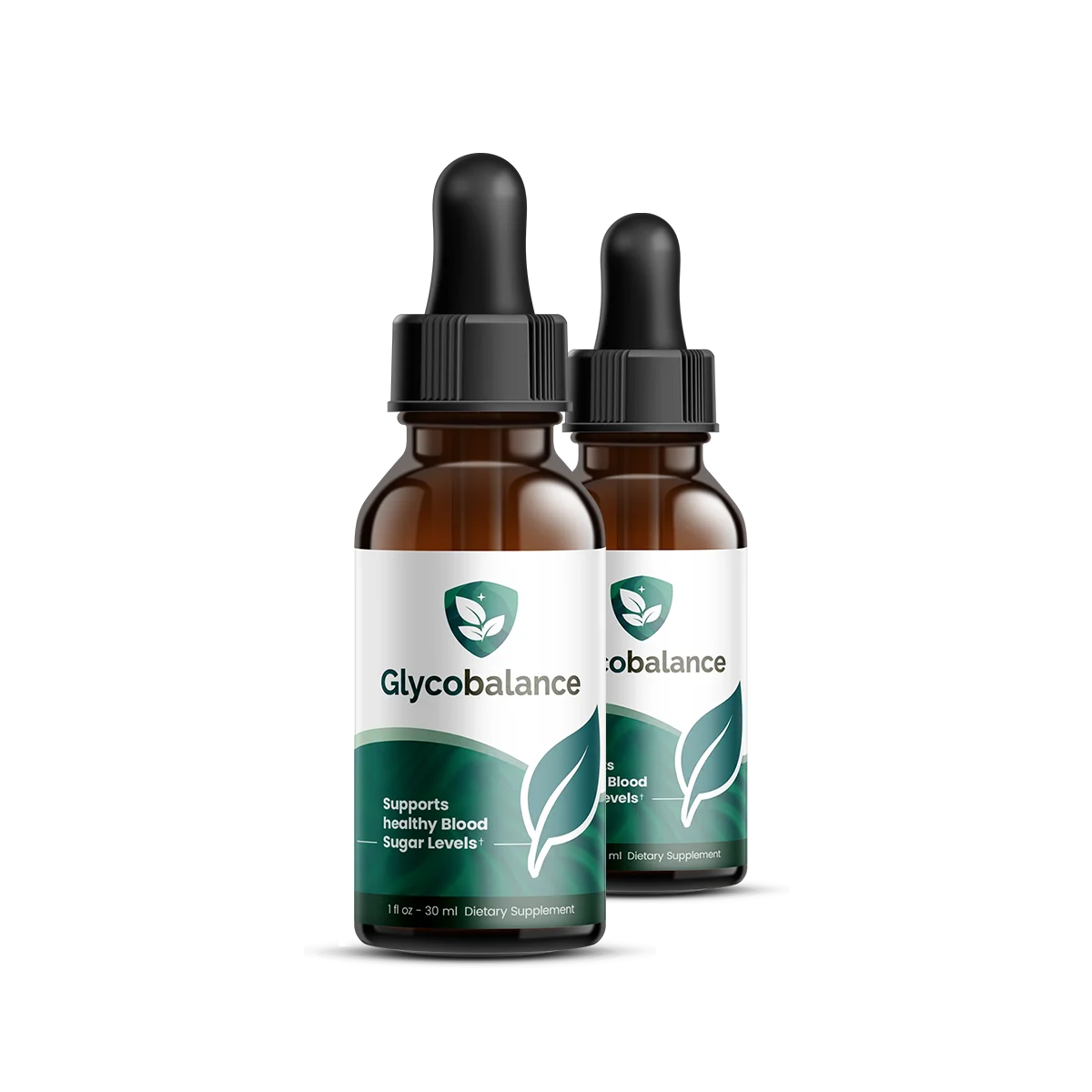
Glycobalance is a dietary supplement, not a drug, and it does not treat, diagnose, or manage any medical condition. That distinction matters a lot before you decide whether it belongs in your routine.
The formula includes chromium, gymnema sylvestre, green tea extract, GABA, maca, African mango, and raspberry ketones. Of those, chromium and green tea extract have the most peer-reviewed human data behind them for glucose-related outcomes. A 2014 meta-analysis of 15 RCTs found chromium supplementation produced modest but statistically significant reductions in fasting glucose in people with impaired glucose tolerance. Green tea's EGCG has shown similar modest effects in several short-term trials, largely through improving insulin sensitivity. Gymnema has some promising smaller studies, but the evidence base is thinner. GABA, maca, African mango, and raspberry ketones are more preliminary at this point, at least in the human glucose research I could find.
There are real limits here worth being honest about. Glycobalance won't compensate for a diet built around refined carbs and added sugar. It won't replace blood sugar medication, and anyone already diagnosed with type 2 diabetes who takes metformin, a sulfonylurea, or insulin should talk to their doctor before adding any supplement, because interactions and glucose-lowering overlap are real concerns. It's also not appropriate for pregnant or breastfeeding women.
Think of a supplement like this as something that fits inside a broader plan, not something that carries the plan on its own. If you're already eating more fiber, walking after meals, and managing stress reasonably well, a well-formulated multi-ingredient product might add a small incremental benefit. If you're not doing those things, no supplement will close that gap.
7 should see a doctor first. A supplement is not a substitute for that conversation.
Blood Sugar Myths That Keep Adults Over 40 from Making Real Progress
The most damaging blood sugar myths aren't the obvious ones. They're the half-truths that sound reasonable, get repeated by well-meaning people, and quietly delay action for years.
Myth 1: Only people who eat a lot of sugar get high blood sugar. Sugar is one piece of this. But refined carbohydrates broadly, think white bread, instant oatmeal, crackers, white rice, spike blood glucose just as sharply as table sugar because they digest rapidly into glucose. Physical inactivity compounds the problem: skeletal muscle accounts for roughly 80% of insulin-stimulated glucose uptake, so when muscle tissue sits idle, that uptake slows. Visceral fat, which accumulates around the organs and increases after 40 even without weight gain on the scale, releases free fatty acids that impair insulin signaling at the receptor level. You can eat a diet low in added sugar and still develop insulin resistance through these other channels.
Myth 2: If I have prediabetes, I'll definitely get type 2 diabetes. The NIH-funded Diabetes Prevention Program, a multi-site RCT with over 3,200 participants, found that modest lifestyle changes (about 150 minutes of moderate activity per week and a 5-7% reduction in body weight) reduced progression from prediabetes to type 2 diabetes by 58% over three years. That's not a small effect. The window between prediabetes and a formal diagnosis is genuinely actionable.
Myth 3: Honey and agave are safe swaps for people watching blood sugar. Both raise blood glucose. Agave's spike looks smaller on a glucose meter because it's roughly 70-90% fructose, which is metabolized in the liver rather than entering the bloodstream directly. But that fructose load drives hepatic de novo lipogenesis (the liver converting fructose to fat), which over time promotes liver insulin resistance. The short-term glucose number looks better; the long-term metabolic picture does not.
Myth 4: I feel fine, so my blood sugar must be fine. Early glucose dysregulation produces no symptoms most of the time. The CDC estimates over 80% of people with prediabetes don't know they have it, precisely because it's silent until it isn't.
Myth 5: Fruit is too sugary to eat. Whole fruit, fiber intact, has a substantially lower glycemic load than fruit juice. A medium apple has a glycemic load of roughly 6. Eight ounces of apple juice, with fiber removed and sugar concentrated, has a glycemic load closer to 12-15. The fiber in whole fruit slows gastric emptying and blunts the glucose curve. Epidemiological data from large cohort studies consistently show whole fruit consumption associated with lower type 2 diabetes risk. Juice, consumed regularly, shows the opposite pattern.
A Practical 7-Day Starting Plan for Adults Who Want to Lower Blood Sugar Naturally Right Now
You don't need a complete overhaul in week one. Research on behavior change consistently shows that stacking one or two new habits at a time produces better long-term adherence than trying to change everything at once. This week-long framework builds on that.
Day by Day
Day 1: Fix breakfast first. Swap the toast and orange juice for two eggs plus half a cup of plain Greek yogurt (look for varieties with under 10g of sugar on the label). Protein at breakfast blunts the post-meal glucose rise and, in a 2021 randomized trial, reduced overall daily glucose variability compared to a high-carb morning meal. This one change costs almost nothing at Walmart or Costco, where a 32-oz container of plain Greek yogurt runs about $5-6.
Day 2: Walk for 10 minutes after dinner. Post-meal walking specifically targets the glucose spike that peaks roughly 60-90 minutes after eating. A 2022 meta-analysis found that short post-meal walks reduced postprandial glucose by an average of 12% compared to sitting. You don't need a gym. Around the block works.
Day 3: Swap one refined grain and add legumes. Replace white rice or pasta at one meal with a whole intact grain like farro or barley. Add a serving of legumes, Trader Joe's canned lentil soup or Costco frozen edamame are both convenient and cheap. Legumes lower the glycemic index of a meal through their high soluble fiber content, which slows glucose absorption in the small intestine.
Day 4: Protect your sleep. Set a fixed bedtime tonight and remove screens an hour before. Even one night of sleeping under 6 hours raises cortisol and growth hormone levels the next morning, both of which trigger hepatic glucose release. This isn't optional for blood sugar management.
Day 5: Add 15 minutes of resistance training. Bodyweight squats, push-ups, and resistance band rows all recruit large muscle groups that act as glucose sponges. Resistance training increases GLUT4 transporter expression in muscle cells, improving insulin-independent glucose uptake for up to 24 hours after a session.
Day 6: Manage stress and review your medications. Spend 10 minutes on structured box breathing (inhale 4 counts, hold 4, exhale 4, hold 4). Chronic stress keeps cortisol elevated, which raises fasting glucose directly. Also, call your pharmacist and ask specifically whether any of your current medications can affect blood glucose. Several common drugs, including certain blood pressure medications and statins, have documented effects on insulin sensitivity. Pharmacists at CVS or Walgreens can review this for free. If you're curious about a chromium supplement, CVS typically stocks 200-mcg chromium picolinate for around $8-12 for a 30-day supply, and a 2020 meta-analysis of 28 RCTs found modest fasting glucose improvements with supplementation, though this is less settled than the lifestyle factors above.
Day 7: Review and plan forward. Look at what actually stuck this week, not what you intended. Schedule a lab appointment if your fasting glucose hasn't been checked in over a year. One product worth knowing about as you build your supplement stack is Glycobalance, which combines several of the evidence-backed ingredients discussed on this page.
Realistic expectations matter here. A 2019 systematic review found that consistent lifestyle intervention produced measurable reductions in fasting glucose over 8-12 weeks, not days. Week one is about building the foundation, not seeing dramatic numbers on a meter.
Explore Related Articles
Dive deeper into specific topics covered in this guide:
Final Thoughts
Getting your blood sugar under control after 40 isn't about perfection. It's about understanding what's actually happening in your body and making a few consistent changes that have real science behind them. The biggest takeaway from everything covered here is that blood sugar dysregulation in midlife is driven by a combination of factors: muscle loss, hormonal shifts, sleep quality, stress levels, specific foods, medications, and plain old sedentary time. No single fix addresses all of them. But the good news is that the changes with the strongest research support are also the most accessible. A walk after dinner, more protein at breakfast, 7-8 hours of sleep, and a consistent resistance training habit are not dramatic interventions. They're durable ones. If you're in the prediabetes range, the NIH-funded Diabetes Prevention Program showed clearly that structured lifestyle changes outperformed medication in preventing progression to type 2 diabetes. That trial enrolled real people at real risk, and the results held across a range of ages and ethnic backgrounds. You don't need a clinical trial setting to apply what it found. Nutrients like chromium and green tea extract have genuine peer-reviewed support for modest glucose improvement, particularly in insulin-resistant adults. They work best as part of a broader plan, not as standalone solutions. Most importantly, if you haven't had your fasting glucose or A1C checked recently, make that appointment. A number on a lab report gives you something specific to work with. A reading of 102 mg/dL is not a crisis. It's a signal, and signals this early are the easiest ones to act on. Bring your questions to your doctor. Ask about your HOMA-IR if you want a fuller picture of insulin resistance. And don't wait for symptoms, because in the early stages, there usually aren't any.Frequently Asked Questions
How to lower blood sugar naturally without medication?
The strategies with the strongest clinical evidence include consistent resistance and aerobic exercise, eating a higher-fiber and lower-glycemic-load diet, prioritizing 7-8 hours of sleep, and managing chronic stress through structured practices like diaphragmatic breathing. These approaches work through real physiological mechanisms, including improving GLUT4 activity in muscle cells and reducing hepatic glucose output. Results typically take 8-12 weeks of consistent effort to show up on lab work, so give the changes time before drawing conclusions.
What is a normal fasting blood sugar level for adults over 40?
The American Diabetes Association defines a normal fasting plasma glucose as below 100 mg/dL. A reading between 100 and 125 mg/dL is considered prediabetes, and 126 mg/dL or above on two separate tests indicates type 2 diabetes. Many adults over 40 see their fasting number creep upward gradually, which is why annual testing matters even when you feel fine.
Which foods lower blood sugar quickly and naturally?
No food lowers blood sugar in the way that insulin does, but some foods consistently slow glucose absorption or reduce post-meal spikes. Legumes (lentils, black beans, chickpeas), non-starchy vegetables, and whole intact grains have a low glycemic load and are supported by multiple clinical trials. A small amount of vinegar before a starchy meal has been shown in several studies to blunt post-meal glucose spikes by slowing gastric emptying.
How long does it take to lower blood sugar naturally?
Most research on lifestyle-based glucose reduction shows meaningful changes in fasting glucose and A1C within 8-12 weeks of consistent diet and exercise changes. Some effects, like the glucose-lowering response to a single bout of exercise, happen within hours. Sustainable improvements in A1C, which reflects your average blood sugar over roughly three months, take the full 8-12 week window to become visible on lab work.
Can stress raise blood sugar even if I eat well?
Yes. Cortisol, the body's primary stress hormone, triggers the liver to release stored glucose through a process called hepatic glycogenolysis and also drives gluconeogenesis, meaning your body makes new glucose from non-carbohydrate sources. Chronic stress keeps cortisol elevated, which can raise fasting blood sugar even in people who eat a clean diet and exercise regularly. Several RCTs have shown that structured stress-reduction practices like MBSR lower both cortisol and fasting glucose over 8-12 weeks.
Is Glycbalance the same as Glycobalance?
'Glycbalance' is a common misspelling; the correct name of the product is Glycobalance. If you're searching for it, the official product information is available on the brand's official website.
Is Glycoblaance the same as Glycobalance?
'Glycoblaance' is a common misspelling of the supplement. The correct spelling is Glycobalance, and the brand's official site is the right place to find accurate product details.
Is Glicobalance the same as Glycobalance?
'Glicobalance' is a frequent misspelling, often influenced by Spanish or Italian spelling patterns. The correct name is Glycobalance, and its official website has the complete ingredient and usage information.
Is Glykobalance the same as Glycobalance?
'Glykobalance' is a common misspelling of the supplement name. The correct spelling is Glycobalance, and the official site is the best source for accurate details about the product.
When should an adult over 40 see a doctor about blood sugar?
See a doctor if your fasting glucose is 126 mg/dL or above, if you have symptoms like extreme thirst, frequent urination, blurred vision, or tingling in your hands and feet, or if a prediabetes reading hasn't improved after 3-6 months of consistent lifestyle changes. Anyone already taking medication for diabetes should not adjust their regimen based on supplements or diet changes without talking to their doctor first. Routine annual testing is reasonable for all adults over 40 even without symptoms.
Sources Consulted
- American Diabetes Association (diabetes.org)
- NIDDK: Diabetes Overview (niddk.nih.gov)
- MedlinePlus (U.S. National Library of Medicine) (medlineplus.gov)
- Mayo Clinic Patient Care & Health Information (mayoclinic.org)
- NIH Office of Dietary Supplements Fact Sheets (ods.od.nih.gov)
- Centers for Disease Control and Prevention (cdc.gov)